
Blog
How to stay safe when grinding

A razor sharp wheel spinning at 6500 RPM is never going to be a 100% safe tool to be around.
However, there’s plenty that you can do to stay safe on site when using a grinder.
Large 9” angle grinders have serious power, and safety and PPE procedures should be closely followed to avoid injury when using them. Even smaller 5” grinders are cause for concern if they are not used properly.
In particular, taking safety shortcuts is a bad idea: removing guards, using bigger wheel
read more
How Strong is Sikaflex?

Sikaflex is a range of versatile, high-quality sealants and adhesive sealants used in construction. Think of the strongest sealant you’ve used - you can put your money on Sikaflex being stronger still!
The Sikaflex product range is wide, and construction experts generally know which type of Sikaflex to choose for the job at hand. Usually, it depends on which materials are being stuck or sealed together.
Sikaflex is used for both small and large construction jobs for a multitude o
read more
Cementitious grout vs Epoxy grout
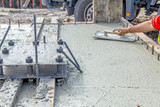
Both cementitious and epoxy grouts are designed to be used under load, where a filler material needs to act as a structurally sound solid.
Mixed from a dry powder to the required consistency, they can be made relatively solid to be used as a packable substance, or flowable to be applied in a more liquid form. Most grouts contain a non-shrink component which means once they harden, you are left with a perfectly formed strong foundation.
Both types have their advantages – let’s take a
read more
When to Use Fire Resistant Sealants

Constructing buildings that are resistant to fire involves a combination of the right materials and the right design.
Buildings are commonly designed to contain the spread of fire by both active and passive means. This means that in addition to active systems like sprinklers, passive systems such as design specifications and materials are utilised. These include ‘sectioning’ designs so that fire is contained and slowed as much as possible, as well as materials that are tested and pro
read more
SDS Drill Bit Compatibility

What is SDS?
SDS stands for slotted drive system, which means the drill bits have a slot at the end of the shank which fits into the chuck of an SDS+ drill. These slots lock the drill bit into position and allow it to be propelled forward by the hammering action of your drill, at the same time as it rotates. Inside the drill bit shaft are two sprung ball bearings, as opposed to a regular drill bit that is held in place by the three teeth of the drill chuck.
SDS drill bits are effective for
read more
Is Formply waterproof? Guide to Plywood
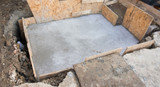
One of a number of technologically advanced structural plywoods to enter the market in recent years, Formply is a versatile material that can be used in a number of different circumstances. Durable and strong, it's suitable for use in anything from a major construction project through to shelving and other fixtures in a retail fit-out. Here we take a look at Formply in more detail.
Read on to discover what it is, what it can be used for, and the advantages that using Formply can bring.
What is F
read more
Making heads and tails of bolts: What size head is a M12 bolt?
Finding the right fastening for the job can be tricky. With hardware stores stocking every different variety of screw and bolt under the sun, it's easy enough to get confused. And nobody wants to spend all that time and effort at the shop only to get back to the worksite to discover that whatever they've purchased isn't suitable for the task at hand.
You have to be particularly careful with screws and nails, as the slightest mismeasurement can throw your whole project out of line and cause delay
read more
10 Tradies that need packers

Plastic packers or shims are perfect for filling irregular gaps when building and can be used to level out or adjust concrete formwork, timberwork, precast components, brickwork, interior fit-outs and much more.
They can be used to pack floor joists and ceiling battens, pack brackets and lintels and for shimming struts and beams.
Who uses shims and packers?
With unlimited uses in the residential, commercial and industrial sectors, they are an essential item for:
Precast and tilt-up concre
read more